Loft Conversion for Wealden Cottages in Sevenoaks
A cottage loft conversion in Sevenoaks is a job for a carpenter first, a builder second. Wealden hall houses, weatherboarded cottages and timber-framed farmhouses around Sevenoaks Town were built by hand, moved a bit over 400 years, and don't respond well to modern square-and-plumb assumptions.
Our workshop is 24 miles (~45-minute drive) from Sevenoaks, and we cut oak, elm and Douglas fir on-site the same way the original frames were cut — scarf joints, mortice-and-tenon, oak pegs, not screws. That matters when you're joining new timber to a frame that's been settling since 1580.
Breathability is the other cottage rule. Old timber and brick walls need to breathe; wrap them in gypsum, PVC vapour barriers or cement render and you trap moisture, rot the frame and shorten the building's life by decades. Every cottage loft conversion we do uses breathable materials as default.
Cottage-specific structural considerations
Wealden and weatherboarded cottages in Sevenoaks share structural traits that a standard builder can miss — and they change the loft conversion approach fundamentally.
- • Timber frame carries load; brick infill is often non-structural
- • Floors are rarely level — new joinery scribed, not fitted square
- • Head heights below 2.0m in many rooms — building regs sensitivity
- • Foundations shallow (often <400mm) — new extension foundations need care not to undermine
- • Chimney stacks unbonded to frame — sensitive to any structural change
Materials that suit Sevenoaks cottages
Sevenoaks is our farthest western coverage — we take on substantial projects (extensions, loft conversions, full renovations) here rather than small call-outs, given the drive. Edwardian and inter-war stock around Riverhead and Seal makes up the bulk of our work in the district.
- • Lime plaster on riven laths (breathable, historically correct)
- • Oak or elm for structural repairs; sweet chestnut for cladding
- • Kent peg tiles and clay pantiles — matched by hand to existing
- • Wood fibre insulation between studs (breathable, no vapour barrier)
- • Reclaimed floorboards, elm or oak, wide-plank
Cottage loft conversion — what actually works
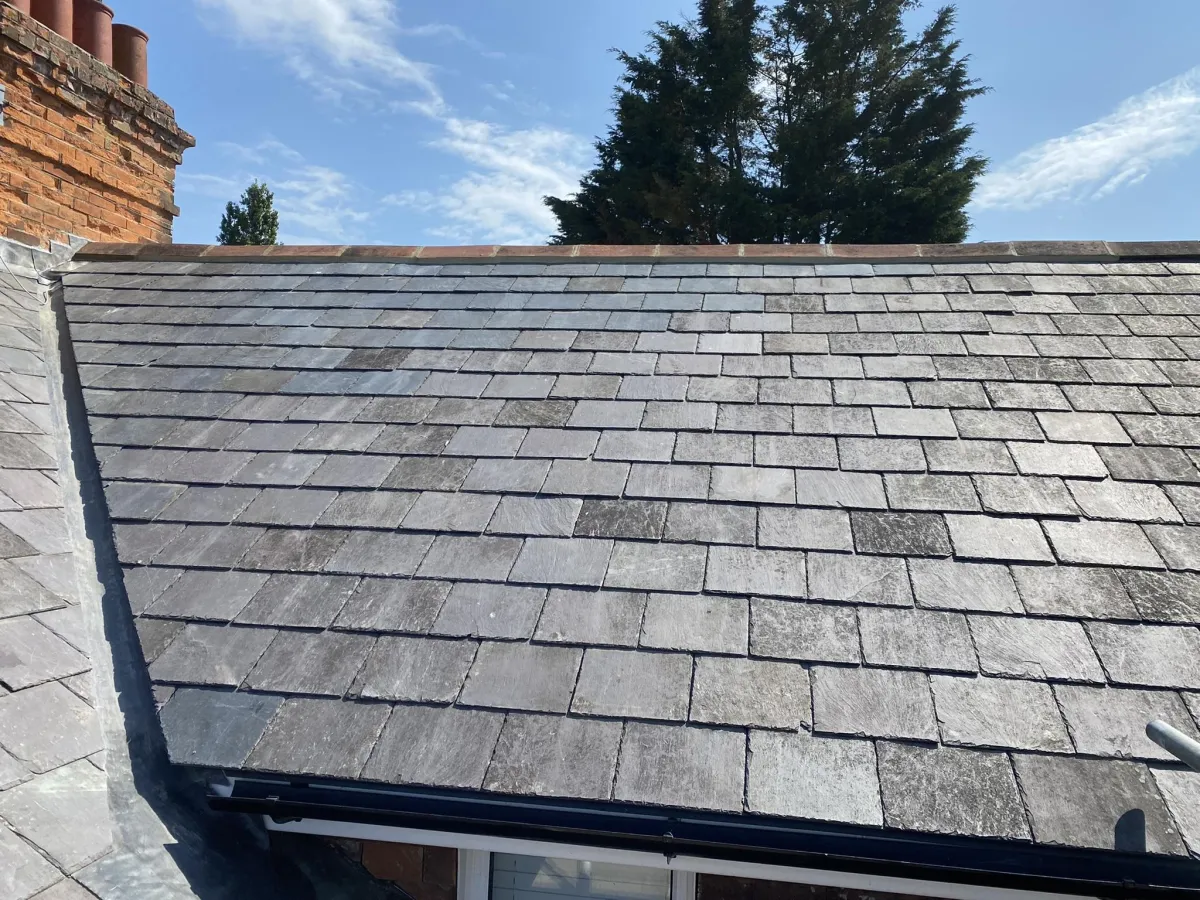
Loft conversion with hip-to-gable on an Edwardian villa near Knole Park.
- • Retain visible oak roof frame as feature
- • Wood fibre insulation between rafters, breathable membrane
- • Small-pane conservation rooflights (Article 4 compliant)
- • Bespoke oak staircase scribed to existing landing
Cottage-first loft conversion for Sevenoaks timber-framed homes
Site visit with our carpenter-lead, frame condition survey, breathable materials schedule, LBC feasibility if required.
Sevenoaks design FAQs
Can you extend a Grade II cottage in Sevenoaks?
Yes — with listed building consent. The extension design typically uses lightweight glazed link connectors so the original frame stays legible. We've secured LBC on multiple Sevenoaks-area cottages.
Won't breathable materials be more expensive?
About 15–20% more up front, but the lifecycle cost is lower — no premature rot, no re-plastering every 15 years because trapped damp lifted gypsum off lath. We'll show you both cost tracks in the quote.
How do you handle low ceiling heights for building regs?
Loft conversions on cottages sometimes need floor level adjustment, and open-plan kitchens sometimes need beam repositioning. We work with the Building Control Surveyor from concept, not in retrospect.
Do you do frame repairs and insertions in oak?
Yes — traditional carpentry is our core trade. Scarf joints, sole plate replacement, jetty repair, tenon renewal — all cut in our Biddenden workshop and fitted in-situ.
Related guides
Nearby areas we also cover
In short
A loft conversion on a Sevenoaks cottage should be carpentry-led — oak repairs, breathable build-ups, hand-scribed joinery. That's 40+ years of what we do, 24 miles (~45-minute drive) from your property.
Ready to price your loft conversions in Sevenoaks?
Free site visit, fixed-price written quote and a 5 year workmanship guarantee — backed by 40+ years on the tools and our workshop in Biddenden.
"We had our loft insulated and boarded. From start to finish the process was smooth, professional and stress-free. Malcolm upgraded the insulation and …"