
Living in a conservation area doesn't mean nothing can change — it means changes visible from public view are controlled more tightly than elsewhere, to protect the character that led to the designation in the first place.
Understanding where that scrutiny actually applies, and where it doesn't, helps you plan a project that gets approved rather than redesigned twice.
Permitted development is often restricted
Article 4 directions, common in conservation areas, remove some permitted development rights that would otherwise apply automatically — often covering things like replacement windows, roof materials, and front boundary changes.
Checking whether an Article 4 direction applies to your specific property, rather than assuming standard permitted development rules apply, is the first thing to establish before designing anything visible from the street.
Rear and side works usually have more freedom
Conservation area controls are heaviest on elevations visible from public roads or spaces. Rear extensions and side works that aren't visible from the street generally have more design freedom than anything facing the front.
This is why many conservation area projects concentrate ambitious change to the rear while keeping the street-facing elevation close to its existing appearance.
Materials that will be accepted
Planning officers in conservation areas assess proposals against the character of the wider area, not just the individual house, so a design that would be fine on an isolated property can be refused here if it breaks with the street pattern.
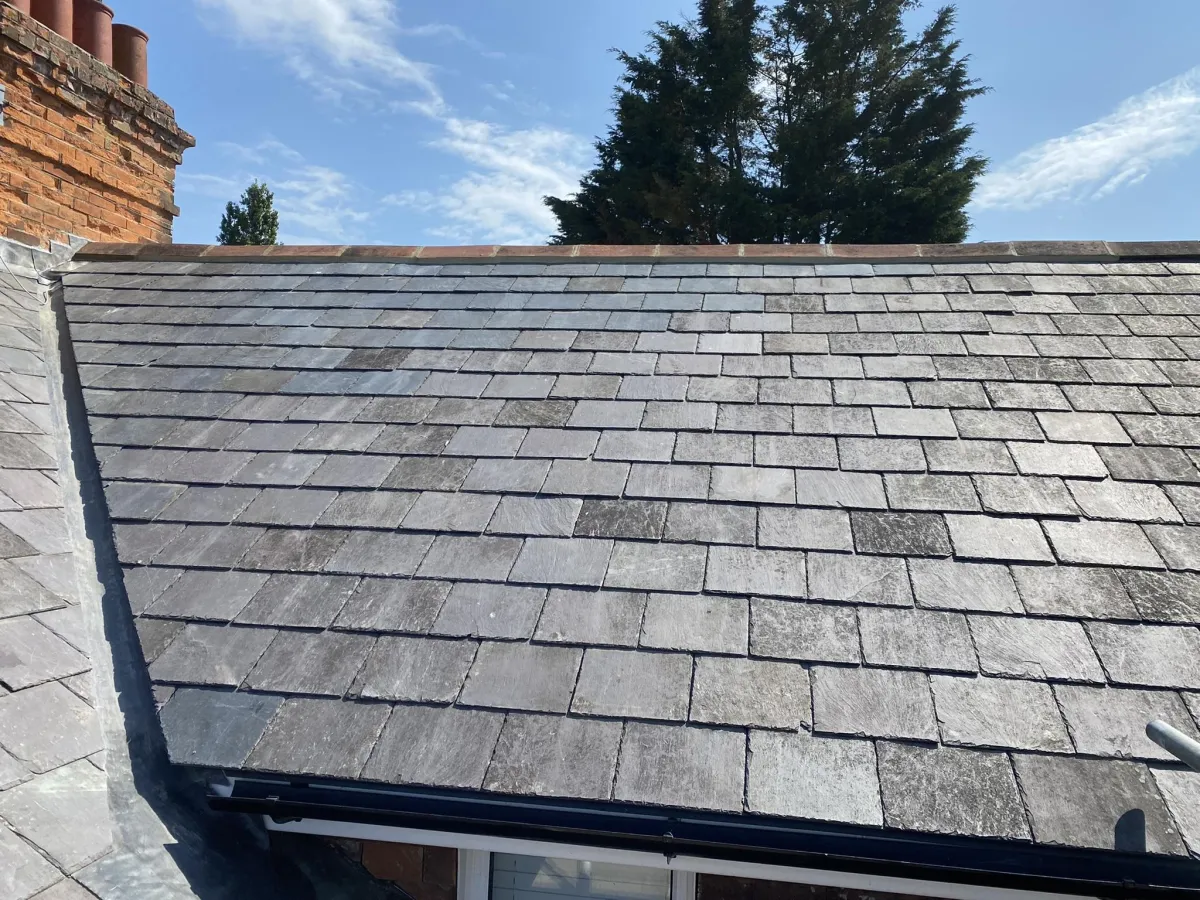
- Roof coverings matching the prevailing local material rather than a modern equivalent
- Windows with matching sightlines and proportions, not just a similar colour
- Boundary treatments consistent with the street scene
- Render, brick or cladding matched to neighbouring properties, not just to your own
Neighbour and consultation input
Planning applications in conservation areas are more likely to attract neighbour comment and, on larger schemes, formal consultation with a civic or amenity society. This isn't unusual and doesn't mean a scheme is in trouble, but it does add time to the process that should be factored into your programme.
A pre-application conversation with the planning department, and informally with immediate neighbours, tends to smooth this stage rather than being skipped in the interest of speed.
Timeframes worth planning around
Between establishing whether Article 4 applies, preparing a design that respects the street scene, and running a planning application that may take longer than a standard one, conservation area projects typically need more lead time than the same project elsewhere.
Ordering long-lead materials — bespoke windows, specific roof tiles — only after approval, rather than in parallel, avoids money committed to a specification the council may ask you to amend.
Common questions
Does a conservation area ban all changes to the front of a house?+
No, but it does mean front-facing changes are assessed against the character of the street, and permitted development rights are often more restricted than elsewhere, so more works need a formal application.
Are rear extensions easier to get approved than front changes?+
Generally yes, because rear elevations are usually not visible from public viewpoints, which is where conservation area scrutiny concentrates.
How do I find out if Article 4 applies to my property?+
Your local planning authority's conservation team can confirm this, and it's worth checking before finalising any design that involves windows, roofing or boundary changes.
Get advice on a conservation area project before you apply
We can help specify materials likely to gain approval and price the work once consent is in place.