
What we can offer is an honest, general steer based on what tends to hold up at valuation and what estate agents locally tend to flag, alongside the reminder that a project should still work for how you actually live, because most people stay in a home for years before any of this matters at sale.
Extra bedrooms and bathrooms generally hold up best
Loft conversions and extensions that add a genuine extra bedroom, particularly a fourth in a three-bed house, tend to be among the more reliable value-adders because they shift a property into a different buyer search bracket — from a three-bed to a four-bed search on the portals, which is a meaningfully larger pool of buyers.
Adding a second or third bathroom, especially an en suite to the main bedroom, is consistently popular with buyers in this price range and tends to be well regarded, provided it's done without cannibalising bedroom space too aggressively.
Kitchens matter, but returns on lavish spec taper off
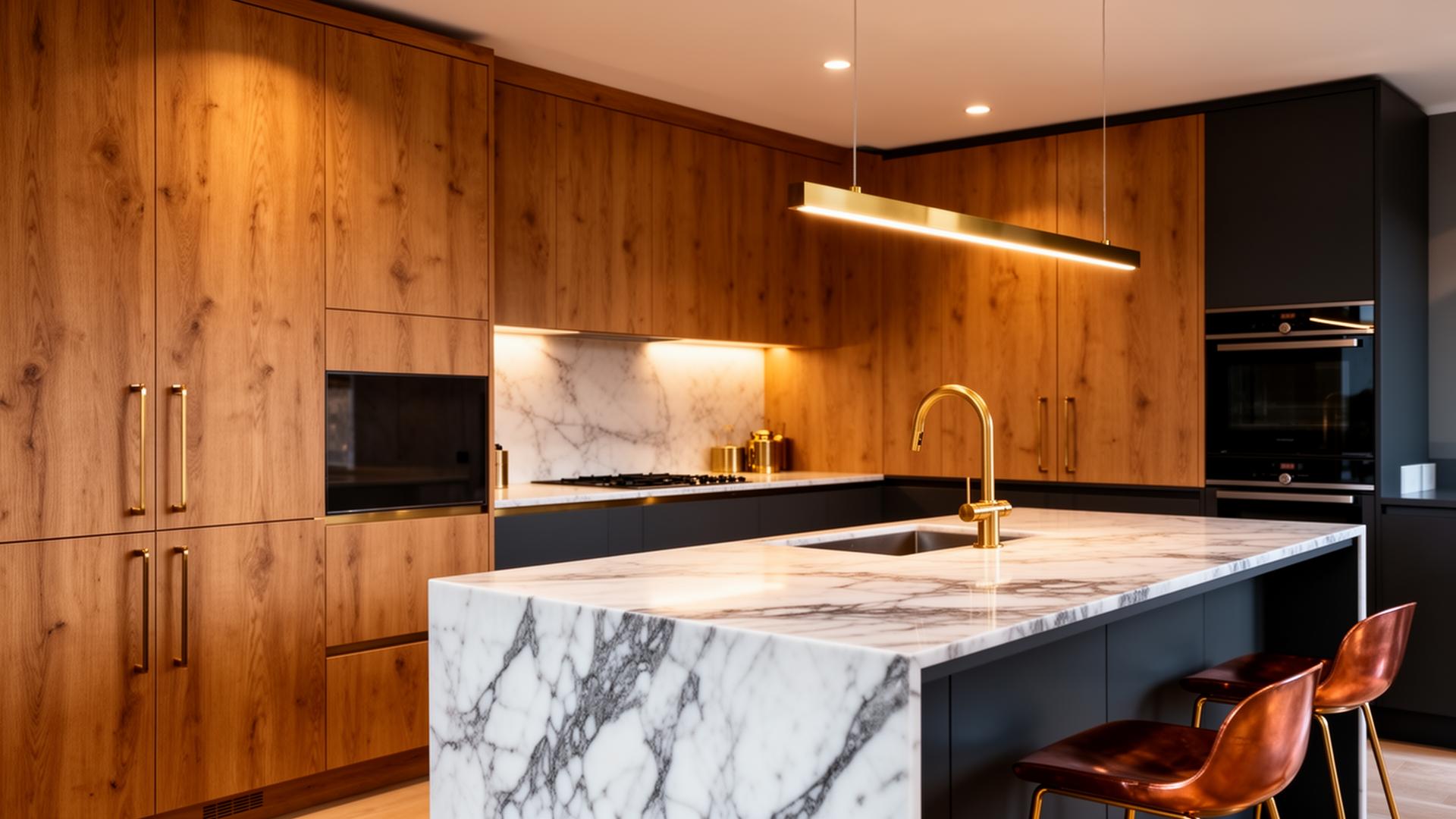
A tired, dated kitchen is one of the most common reasons buyers mentally discount a house, so a competent, well-specified kitchen renovation tends to help at sale. But spending at the very top of the market on bespoke joinery and stone in a modest three-bed house rarely returns pound-for-pound at sale — it just makes the house nicer to live in, which is a different (and valid) reason to do it.
The sensible approach is to specify a kitchen appropriate to the house and street, not to the aspirational finish you'd want in a much larger property.
Extensions that open up living space
Rear and side-return extensions that create a genuinely better kitchen-diner or open-plan living space are popular with today's buyers and tend to be well received at valuation, particularly on older terraced and semi-detached stock where the original layout is choppy and dark.
The value tends to come from the improved layout and light as much as the extra square footage itself — a poorly configured extension that just adds a boxy extra room without improving flow adds less than one that reworks how the ground floor works.
Where returns are less certain
Garden rooms and outbuildings, swimming pools, and highly specific personal features (a home cinema, an elaborate bar) tend to appeal to a narrower pool of buyers and rarely return their full cost, even though they may be exactly right for how you use the house day to day.
Over-extending relative to the street — pushing a modest semi well beyond what neighbouring houses of the same type have — can also produce diminishing returns, because buyers in that area are shopping to a certain budget regardless of how much space is on offer.
Kent-specific considerations: character and conservation
In Kent's conservation areas, oast conversions and listed villages, buyers often pay a premium for retained original character — exposed beams, original joinery, lime-rendered walls — rather than for maximum extension. Stripping character out to maximise floor area can actually work against value in these specific markets.
In more standard 1930s and post-war estate housing around Ashford, Maidstone and the Medway towns, the calculus is closer to the general rules above — extra bedrooms, bathrooms and open-plan kitchen-diners tend to perform reliably.
Quality of execution matters as much as the choice of project
A well-built loft conversion with proper head height, natural light and a decent staircase adds more than a cramped one that technically counts as a bedroom but feels like an afterthought — surveyors and buyers alike notice the difference.
This is really the underlying point: it's less about which category of project you choose and more about whether it's designed and built to a standard that makes the house genuinely better, which is where a proper design stage and a contractor who won't cut corners on head height, window sizes or finish pays off at valuation as much as at completion.
Common questions
Does a loft conversion always add value?
It tends to be one of the more reliable value-adders where it creates a genuine extra bedroom with proper head height and natural light, particularly where it moves the house into a larger bedroom-count search bracket. A cramped conversion done to a low standard adds much less.
Is it worth over-specifying a kitchen for resale value?
Generally not pound-for-pound. A competent, well-finished kitchen appropriate to the house helps; a lavish top-end specification in a modest house rarely returns its full cost at sale, though it may still be worth it for your own enjoyment of the home.
Can extending too much for the street reduce value?
Yes, potentially. Buyers in a given area are often shopping to a budget set by that street or postcode, so pushing well beyond what similar houses offer doesn't always translate into a proportionate sale price increase.
Does a listed or period property change what adds value?
Often yes — buyers of period and listed Kent property frequently pay a premium for retained original character, so heavy-handed modernisation or stripping out original features can work against value in a way it wouldn't in a standard modern semi.
Should I choose a project based purely on resale value?
We'd caution against it as the only factor. Most homeowners live in a house for years before selling, so it's worth weighing genuine day-to-day usefulness alongside any resale consideration rather than building only for a hypothetical future buyer.