
An oast house conversion is a very different proposition from a standard period property, and the survey findings reflect that: many notes relate to how a kiln was originally built and how well the conversion addressed that, rather than to general wear and tear.
Reading the findings in that context, alongside a good understanding of the conversion's own history, gives a far more useful picture than treating every note as an equivalent red flag.
Roof condition and cowl mechanisms
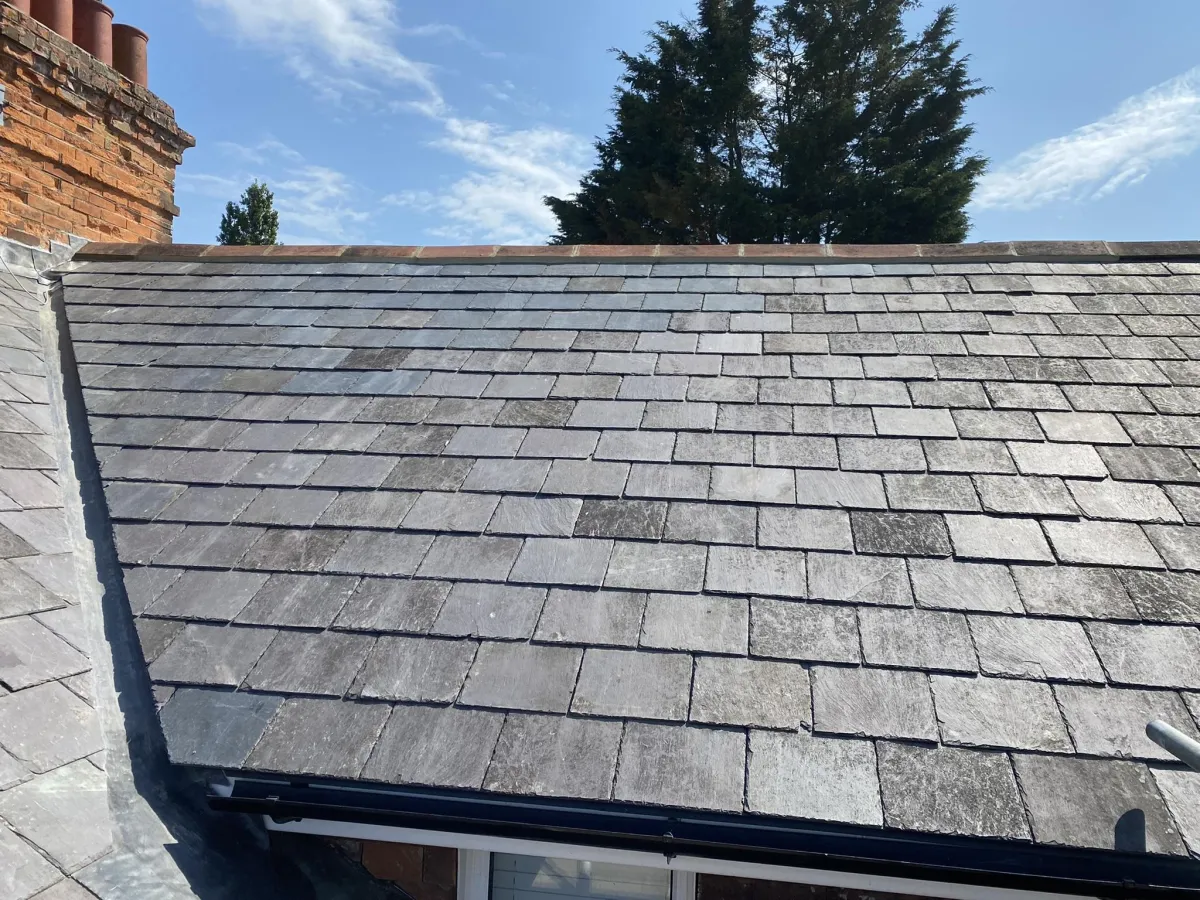
Where any original cowl mechanism survives, even in a decorative, non-functioning form, surveys will note its condition and whether it's weathertight. A poorly sealed or corroded cowl at the roof apex is a common source of water ingress that isn't always obvious from inside until it has caused damage to structure below.
The roof covering itself, given its steep pitch and often complex junctions where a conical roof meets a lower ancillary building, is worth particular attention, and access for future maintenance should be part of the conversation before purchase.
Quality of the original conversion
Conversions carried out decades ago, particularly before current insulation and building control standards, sometimes used detailing that wouldn't be accepted today — insufficient ventilation in roof voids, poorly detailed junctions between old brickwork and new floors, or heating systems undersized for the volume involved. A survey should identify where the original conversion falls short of current expectations.
This isn't a reason to avoid the purchase, but it does mean budgeting for remedial work that a straightforward period house of the same price might not need.
Damp in solid roundel walls
Solid, uninsulated brick roundel walls read differently on a damp meter than modern cavity construction, and a surveyor unfamiliar with oast houses can misinterpret normal moisture behaviour as a defect. Genuine problems more often relate to failed pointing, blocked or missing rainwater goods around a complex roofline, or ground levels built up against the base of the roundel over the years.
Ground level against the roundel base is worth checking specifically, since raised external ground bridges the damp-proof course in a way that's easy to miss on a quick inspection.
Listed status and what's already been altered
Many oasts are listed, sometimes as part of a group with the adjoining farmhouse or barn, and it's worth establishing exactly what the listing covers before exchange. Alterations made during conversion without listed building consent, if any occurred, become the new owner's problem to resolve.
Checking the planning history for the property, alongside the survey, gives a clearer picture of what was actually consented versus what may need regularising after purchase.
Common questions
Is a non-functioning cowl a problem?+
It can be, if it's letting water in rather than simply serving as a decorative feature. A surveyor should check whether it's genuinely weathertight, since a compromised cowl is a common route for water ingress into the roof structure below.
Should I expect the original conversion to meet current standards?+
Not necessarily — many oast conversions predate current insulation and ventilation expectations, and a survey will often flag areas that fall short. This is worth budgeting for rather than treated as unusual.
How do I check whether alterations were properly consented?+
Ask for the planning history and, where the building is listed, check what the listing description covers. Any past unauthorised work becomes the new owner's responsibility to address, so it's worth identifying before exchange.
Ask us to review an oast house with you before you commit
We can walk the property with you after your survey and give a plain-English view on remedial costs, with a free written quote to follow.