
Cracks appear in most houses at some point, and the instinct is often to assume the worst and ask about underpinning. That instinct is usually wrong. The honest first step, in the great majority of cases, is to work out whether the movement is ongoing before committing to any structural intervention.
This is not a decision to make from a phone photo of a crack. It needs either a structural engineer's assessment or a monitored record of the crack's behaviour over time.
What monitoring actually involves
Monitoring means fitting simple gauges — tell-tale strips or crack-width monitors — across the cracks and recording measurements over a period, typically through at least one full change of season, since clay soils shrink and swell with moisture.
If the readings show the crack opening and closing seasonally but not progressively widening, that points to normal ground movement rather than a failing foundation, and no structural work is required beyond cosmetic repair.
When underpinning is the right call
Underpinning is justified when monitoring, or an engineer's initial assessment, confirms movement that's progressive — getting worse over time rather than settling into a seasonal pattern — or where there's a clear cause such as a leaking drain washing out the soil under a foundation, a nearby tree root system, or a foundation that was simply too shallow for the ground conditions.
It's also sometimes the pragmatic choice ahead of a sale, where a mortgage lender or buyer's surveyor won't accept an ongoing monitoring period and wants the issue closed out.
Cost and disruption in proportion
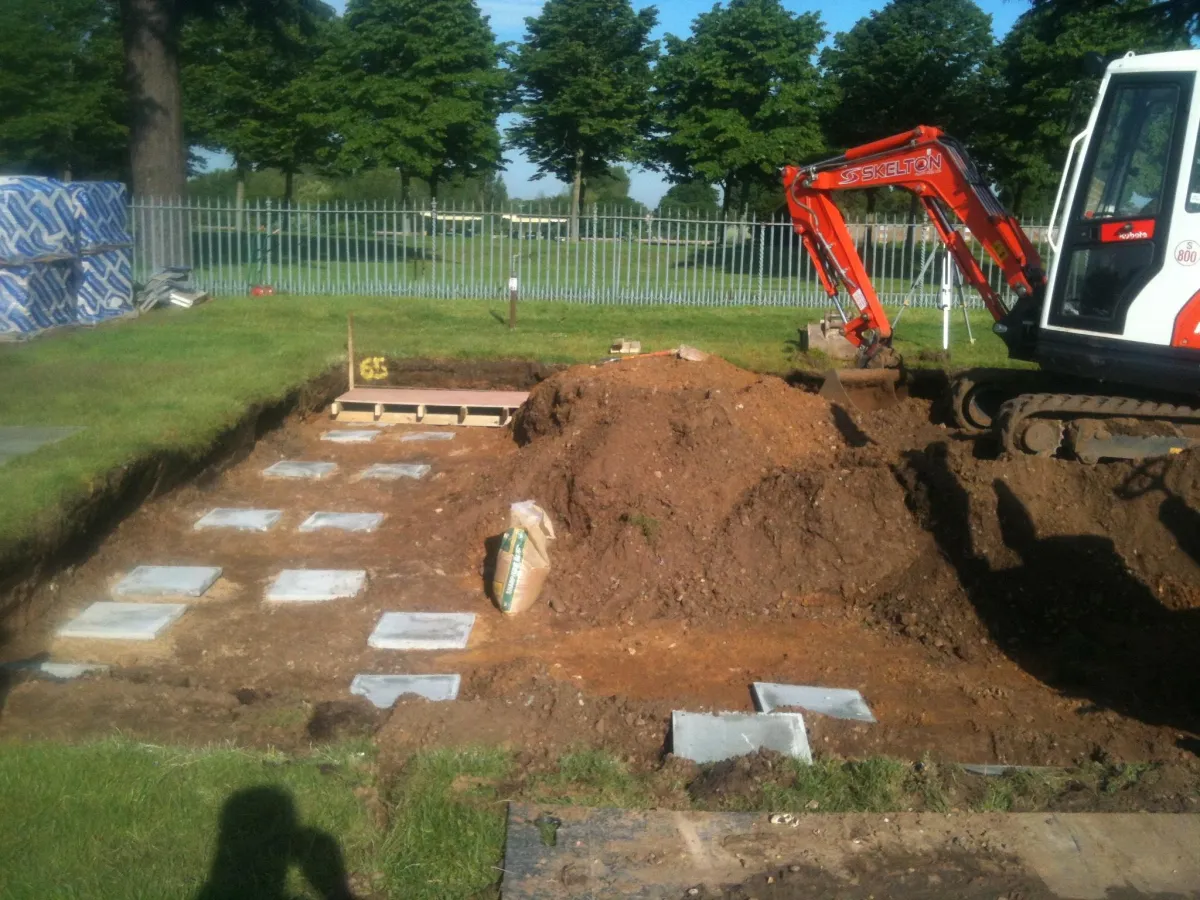
A year of monitoring costs very little against the disruption and expense of underpinning, which involves excavating below the existing foundation in sections and casting new concrete beneath it — invasive, noisy work that can affect drains, services and neighbouring boundaries.
Jumping straight to underpinning without evidence of progressive movement risks spending heavily to fix something that would have resolved itself with the seasons.
What a written report needs to state
Whether the outcome is monitoring or underpinning, an engineer's report should identify the likely cause of movement, state the evidence for it, and set out clearly what would need to change to justify further action — vague wording that hedges on cause is a sign the assessment hasn't gone deep enough.
If underpinning is recommended, the report should specify which sections of foundation are affected, the underpinning method proposed, and how neighbouring structures and services are protected during the works, since a party wall notice is very likely to be needed as well.
Living with the property during each route
Monitoring has almost no impact on daily life beyond the small gauges fitted across the cracks and a periodic visit to take readings — the household carries on as normal while evidence builds.
Underpinning is a significant construction project in its own right, with excavation close to the foundations, plant and materials on site for weeks, and in some cases temporary loss of use of the affected rooms while sections are dug out and cast in sequence.
Common questions
Who should assess the cracking first?+
A structural engineer should look at any crack that's more than hairline, running through brickwork rather than just plaster, or accompanied by doors and windows sticking — they'll advise whether monitoring or immediate investigation is appropriate.
How long does monitoring usually need to run?+
Long enough to see at least one full seasonal cycle, since clay soils move with moisture content through the year — cutting it short risks mistaking a seasonal dip for stability.
Will underpinning stop the cracking from ever returning?+
It addresses the specific section of foundation it's applied to, but it doesn't change the ground conditions elsewhere, so cracking in other parts of the building unrelated to the original cause can still occur.
Arrange an assessment before committing to major works
We work alongside structural engineers on movement cases across Kent and East Sussex — free site visit, and a written quote once the cause is actually established.