
Hospitality refurbishments carry two pressures that don't exist on most commercial jobs at the same time: a genuinely hard trading deadline, and often a genuinely old, sometimes listed, building underneath the plaster and paint.
The mistakes that recur across these projects nearly all come from underestimating one or both of those pressures.
Programmes that overrun into a trading peak
A refurbishment scheduled to finish just before a known trading peak carries no slack for the delays that are entirely normal in any structural or fabric project — a lead time slipping, an unexpected finding behind a wall, weather affecting exterior works. When the finish date is that tight, any delay lands squarely in the peak trading period it was meant to avoid.
Building genuine slack into the programme against the trading deadline, rather than planning to finish exactly on the day trading resumes, protects against this becoming the norm rather than the exception.
Ignoring listed or historic status until it's flagged mid-project
Assuming a pub's age doesn't matter because it isn't formally listed, without checking, or discovering listed status only once a structural wall has already been opened up, both lead to enforcement risk and costly rework. Listed status and conservation area constraints should be checked and factored into the brief before any design work, not treated as a technicality to deal with if it comes up.
Where listed building consent is required, this needs its own lead time built into the programme, since it isn't a same-week approval in most cases.
Domestic-grade joinery specified into a commercial trading environment
Fixed seating, bar counters and back-bar joinery built to a domestic specification wear, loosen and chip far faster under sustained public use than commercial-grade equivalents, and the cost of an early repair or replacement often outweighs the initial saving. This mistake usually comes from benchmarking cost against domestic furniture rather than commercial hospitality fit-out standards.
Specifying fixings, edge details and finishes rated for continuous public contact avoids an attractive refurbishment looking worn within its first year of trading.
Public safety treated as an afterthought during phased works
Where part of the venue stays open during works, inadequate separation between the trading and works areas creates a genuine safety risk to a public that may not be familiar with the building layout, not just a compliance box to tick. This needs proper physical hoarding and controlled routes designed in from the start, not improvised once works are underway and the venue is already open.
This is also a licensing consideration in many cases, and should be discussed with whoever holds responsibility for the premises licence before works begin.
Fabric repairs deferred and then rushed
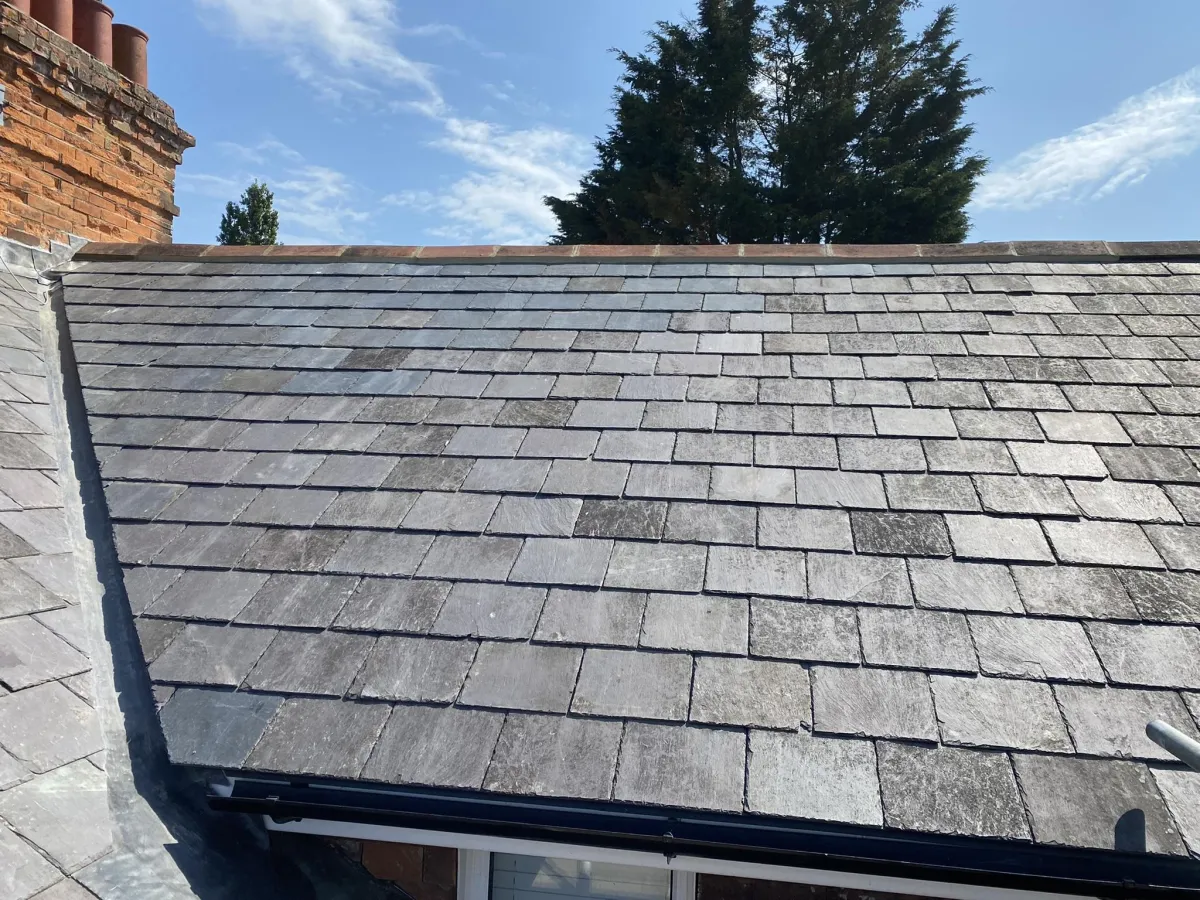
Roof or structural fabric issues on an older building sometimes get deferred repeatedly because the interior fit-out feels more urgent commercially, until the fabric issue becomes serious enough to force an unplanned closure. Addressing fabric condition as part of the same programme as the interior works, even if it means a longer overall project, avoids an emergency repair disrupting trade at a worse time later.
Where fabric repairs need matching historic materials, this sourcing takes longer than standard materials and is another reason not to leave the decision until the issue has become urgent.
Common questions
How much slack should a programme allow before a known trading peak?+
There's no universal figure, but scheduling to finish exactly on the day trading needs to resume leaves no room for the ordinary delays that occur on structural or fabric work, so some buffer is worth building in.
What happens if listed status is discovered after work has started?+
Work affecting the listed elements should stop until consent is obtained, which can seriously disrupt a programme — this is exactly why status should be confirmed before design work begins, not during it.
Is it worth doing fabric repairs alongside an interior fit-out even if it extends the project?+
Generally yes, since it avoids paying for access and scaffolding twice and reduces the risk of an unplanned closure later for an issue that could have been dealt with during the planned works.
Get your refurbishment programme reviewed before you commit to dates
We'll check listed status, structural scope and joinery specification against your trading calendar and provide a written quote.