
By the time a job is finished, it's tempting to take reassurance from a friendly 'don't worry, it's guaranteed' and move on. The checks that actually matter are quieter than that — specific questions about what's covered, for how long, and what paperwork exists to prove it.
Doing this at the end of the job, while the contractor is still engaged and the details are fresh, is far easier than trying to establish any of it after a problem has already appeared.
Get the workmanship guarantee in writing
Ask for the length and scope of the workmanship guarantee to be stated explicitly, rather than referred to generally. A written guarantee should say what it covers, for how long, and what the process is for reporting a problem within that period.
If nothing has been offered in writing, ask for it directly before the job is signed off — a verbal assurance, however sincerely meant, gives you nothing to point back to if a dispute arises later.
Separate workmanship cover from product cover, item by item
Going through the job item by item and confirming which type of cover applies to each avoids a false sense of security about what's actually protected.
- Boiler or heating system: manufacturer warranty, registered by whom
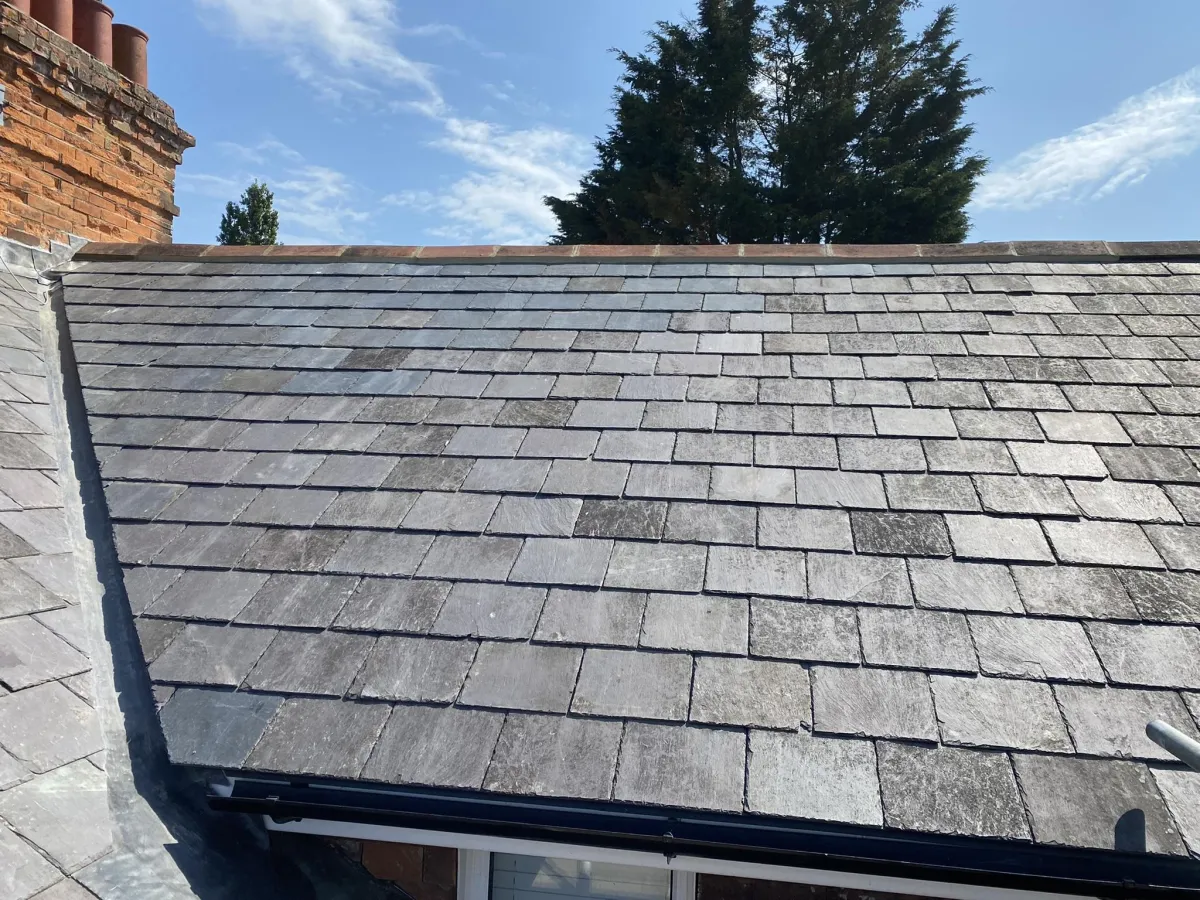
- Roof covering: manufacturer warranty on materials, workmanship guarantee on installation
- Windows and doors: manufacturer warranty on the unit, installation guarantee separately
- Any appliance: manufacturer warranty only, generally
Check warranty registration has actually happened
Where a product warranty requires registration, ask for confirmation that it's been done, ideally with a reference number or confirmation email you can keep. Don't assume it's automatic just because the product was professionally installed.
If registration is your own responsibility rather than the installer's, get clear instructions on how and by when, since some warranties have a strict window that closes shortly after installation.
Ask exactly how to report a problem
Get a specific contact method and process for reporting a defect during the guarantee period, rather than a general 'just call us'. Confirm whether email is acceptable and preferred, since a written report creates a record that a phone call doesn't.
It's worth asking this even if you never expect to need it — knowing the process in advance means you're not trying to work it out for the first time while dealing with an actual problem.
Keep everything together before the contractor moves on
Gather every certificate, warranty document and guarantee statement into one file — physical or digital — before the job is fully closed out. It's far easier to chase a missing document while the contractor is still actively working with you than months later.
A simple checklist against your original specification, confirming each item's warranty or guarantee documentation is present, takes a few minutes and closes off a source of risk that otherwise sits quietly unnoticed until it's needed.
Common questions
What should a written workmanship guarantee actually state?+
What it covers, how long it lasts, and how to report a problem within that period. Anything vaguer than that is difficult to rely on if a genuine dispute arises.
How do I check a product warranty has been registered?+
Ask the installer or supplier for confirmation, ideally with a reference number or confirmation email. If registration is your responsibility, get clear written instructions and a deadline before the installer leaves site.
Is it too late to check this after the job is finished?+
It's harder, but not impossible — go back through your paperwork and contact the contractor and suppliers directly. It's far easier to sort out before the job is fully signed off, which is why it's worth doing at that point rather than leaving it.
Ask us for a full guarantee and warranty summary at handover
We hand over a written summary of what's covered, for how long, and how to report a problem, before the job is closed.