
Conservation area rules vary from one designated area to the next, and a project that sailed through in a neighbouring town can run into difficulty a mile away under a different area's specific requirements.
The mistakes below share a common thread: acting on a general assumption rather than checking the specific rules that apply to your property.
Assuming permitted development still applies
Homeowners moving from a non-designated area often assume the same permitted development rights they've used before carry over. Article 4 directions in many conservation areas remove exactly the rights most commonly relied on — window replacement, roof material changes, some outbuildings.
Checking this specifically, rather than relying on general knowledge of permitted development, avoids work being carried out that then requires retrospective planning permission or enforcement action.
Ordering materials before approval
Ordering long-lead or bespoke items before consent is confirmed is a common way to lose money on a conservation area project, because any change requested during the application process means reordering rather than adjusting.
- Bespoke timber windows ordered against a design the council later amends
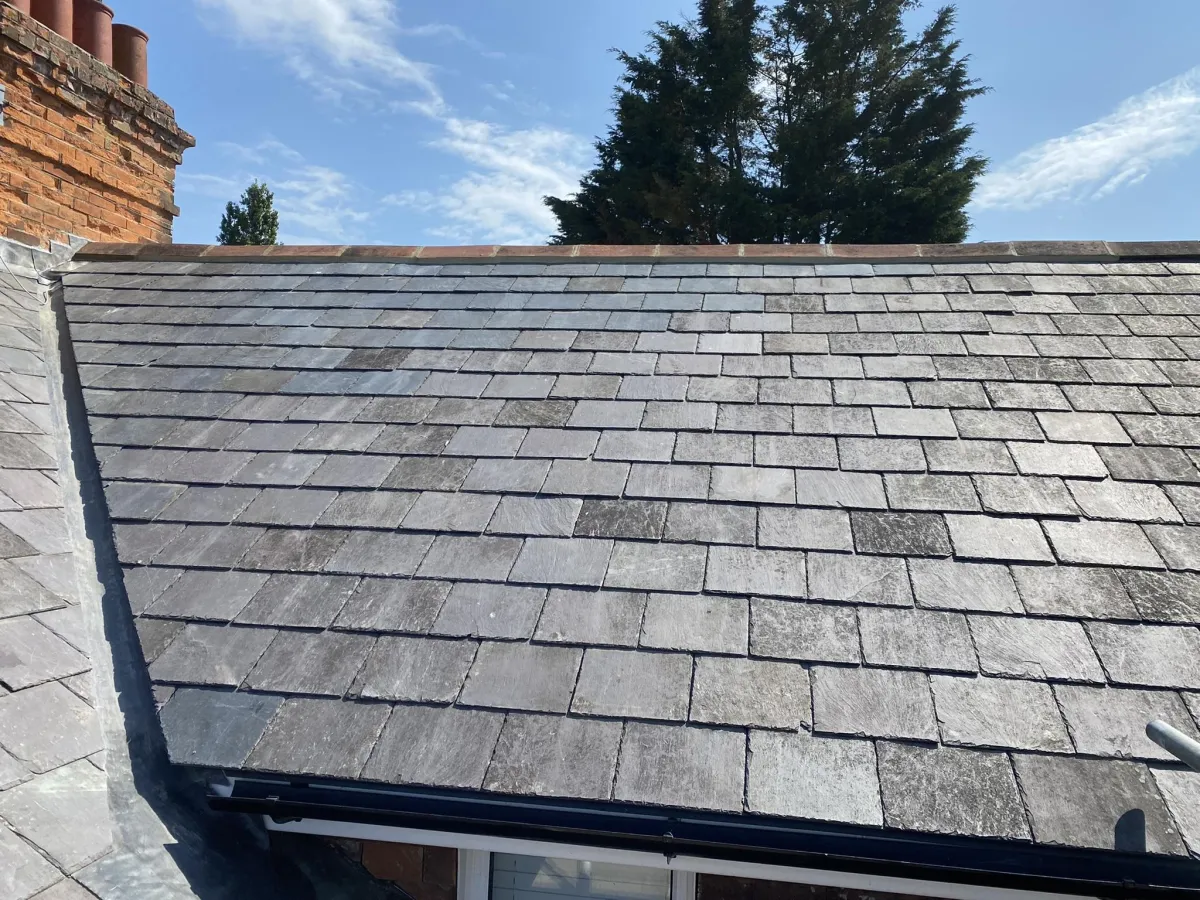
- Roof tiles bought in bulk before the covering is confirmed as acceptable
- Rendered finish specified and purchased ahead of a materials condition
- A whole kitchen extension fitted out before building control sign-off on structural changes
Specifying modern materials on visible elevations
uPVC windows, composite cladding and modern roof tiles are frequently proposed to save cost, and just as frequently refused or conditioned against on street-facing elevations in a conservation area. This isn't arbitrary — it reflects the specific purpose of the designation.
Where budget is a genuine constraint, discussing acceptable lower-cost alternatives with the planning department before submitting is far more productive than submitting a scheme likely to be refused and reapplying later.
Underestimating the timeline
Treating a conservation area application like a standard one and booking trades to start immediately after the expected decision date is a common scheduling mistake, since conservation area applications can take longer, particularly where consultation with an amenity society is triggered.
Building slack into the programme, and not committing trade start dates until permission is actually granted, avoids paying for idle time or losing a booked slot.
Ignoring the street scene in the design brief
A design brief written around what the homeowner wants, without reference to the surrounding street, is more likely to be refused or heavily conditioned in a conservation area than the same brief elsewhere. Officers assess against the character of the area as a whole.
Walking the street and noting the prevailing window proportions, roof materials and boundary treatments before finalising a design brief is a simple step that avoids a lot of redesign later.
Common questions
Can I assume standard permitted development rights apply in a conservation area?+
Not safely. Article 4 directions in many conservation areas remove commonly used rights, so this needs checking specifically for your property rather than assumed from general knowledge.
Is it safe to order bespoke windows before planning approval?+
It's risky. If the council requests a design change during the application, materials already ordered to the original specification may need reordering, at extra cost and delay.
Why do conservation area applications sometimes take longer?+
Consultation with neighbours or an amenity society is more likely to be triggered, and officers are assessing the wider street character rather than just the individual property, both of which can add time.
Talk to us before you finalise a conservation area design
We can help align material choices with what's likely to gain approval on your street.