
Because building regulations approval runs in the background of a project, mostly as a series of inspections rather than customer-facing paperwork, it's an area homeowners often assume is being handled without ever checking. Most of the time it is, but the cases where it isn't only surface at the worst possible moment — usually at a future sale, when a missing certificate holds everything up.
A handful of specific checks during the project confirm the paperwork side is being taken as seriously as the building work itself.
Ask directly which route is being used
Confirm whether building control is being handled through the local authority or a private approved inspector, and get the name of the specific inspector or company involved. This is basic information that should be readily available, and a vague answer is worth following up on before work starts.
Ask to see the actual submission or notice reference number, which confirms the project has genuinely been registered with building control rather than assumed to be covered.
Check that structural calculations exist before the relevant work starts
If the project involves a structural opening, beam, or altered foundation, ask to see the engineer's calculations and drawings before that element is built, not after. Building to a rule of thumb rather than a calculated design, and only bringing in an engineer if building control queries it, is a genuine risk worth checking hasn't happened.
Confirm the version of the drawing the builder is working from matches the latest revision from the engineer — a superseded drawing being used on site is a surprisingly common source of error.
Ask how inspections are being scheduled
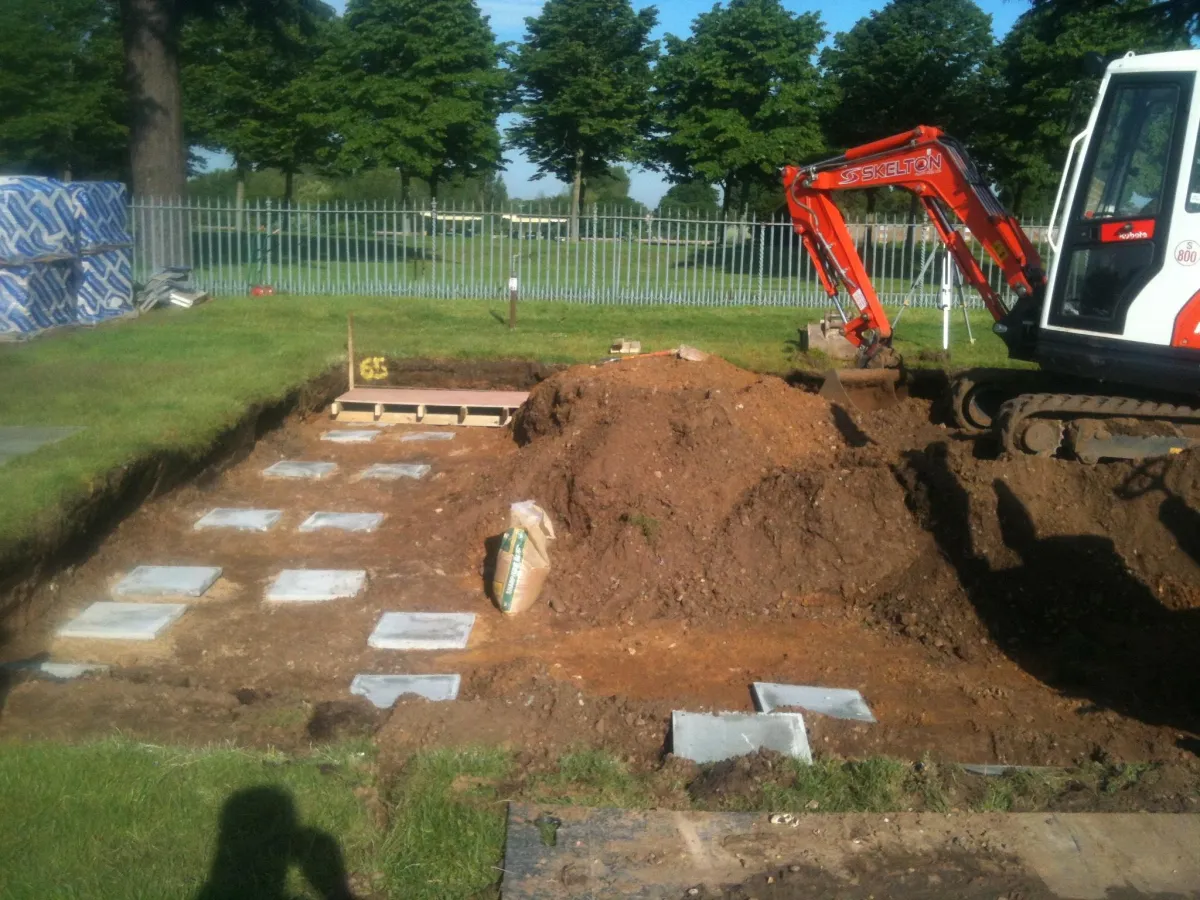
Ask whether inspections have actually been booked for the key stages — foundations, drainage, structural steelwork, insulation — or whether this is being left until each stage is reached. Booking ahead avoids delay where an inspector isn't available on short notice, which can otherwise hold up the programme by days.
If work has been covered before an inspection took place, ask how this was resolved — whether it was exposed again for checking, or whether the inspector accepted photographic evidence, which is sometimes possible but should be confirmed rather than assumed acceptable.
Confirm what happens at practical completion
Before final payment, ask specifically whether the completion certificate has been issued, rather than accepting that the project is 'done' as sufficient. A verbal assurance that building control was happy is not the same as a document, and only the document has any value at a future sale.
If any conditions or minor items were noted by the inspector along the way, check these have been closed out and confirmed in writing rather than left as an informal understanding.
Keep the paperwork somewhere it won't get lost
Store the completion certificate, structural calculations, and any related correspondence with the property's other important documents — ideally the same place as the title deeds or mortgage paperwork, since it's exactly the kind of document that gets requested years later during a sale when nobody quite remembers where it went.
If a private approved inspector was used, note that some private inspector businesses have ceased trading over the years, so it's worth keeping your own copy of the certificate rather than assuming it can always be re-obtained from the inspector directly.
Common questions
What if I can't find the completion certificate for old work?+
You can approach the local authority building control department, which keeps records, or in some cases obtain a regularisation certificate for older unauthorised work, though this involves inspection of work that may already be covered up and is more complex than getting it right first time.
Can I move in before the completion certificate is issued?+
Practically, yes, if the work is otherwise finished and safe, but it's worth chasing the certificate promptly rather than letting it drift, since delay in requesting it doesn't make it easier to obtain later.
Does every building control inspection need to be booked separately?+
Yes, generally each key stage requires its own inspection request, though a good building control body or approved inspector will usually work with your builder to schedule a sensible sequence of visits rather than treating each one as an isolated event.
Ask us to walk you through your building regulations paperwork
We'll show you exactly what's been submitted, inspected and certified on your project, in writing.