Post-war semis carry one survey risk that other house types generally don't: some were built using non-traditional systems that lenders and surveyors treat with particular caution. Understanding whether your prospective purchase is one of these, and what it means, is the single most important thing to establish before exchange.
The rest of the common findings are more familiar and easier to plan around.
Non-traditional construction findings
If the survey identifies the property as built using a designated non-traditional system, this can affect mortgage availability from some lenders and may come with a recommendation for further specialist assessment or a PRC (precast reinforced concrete) certificate confirming the structure has been assessed or repaired to an accepted standard.
This is not automatically a reason to abandon the purchase, but it changes the mortgage products available and the renovation methods that will later apply, so it needs resolving before exchange rather than after.
Roof and loft space findings
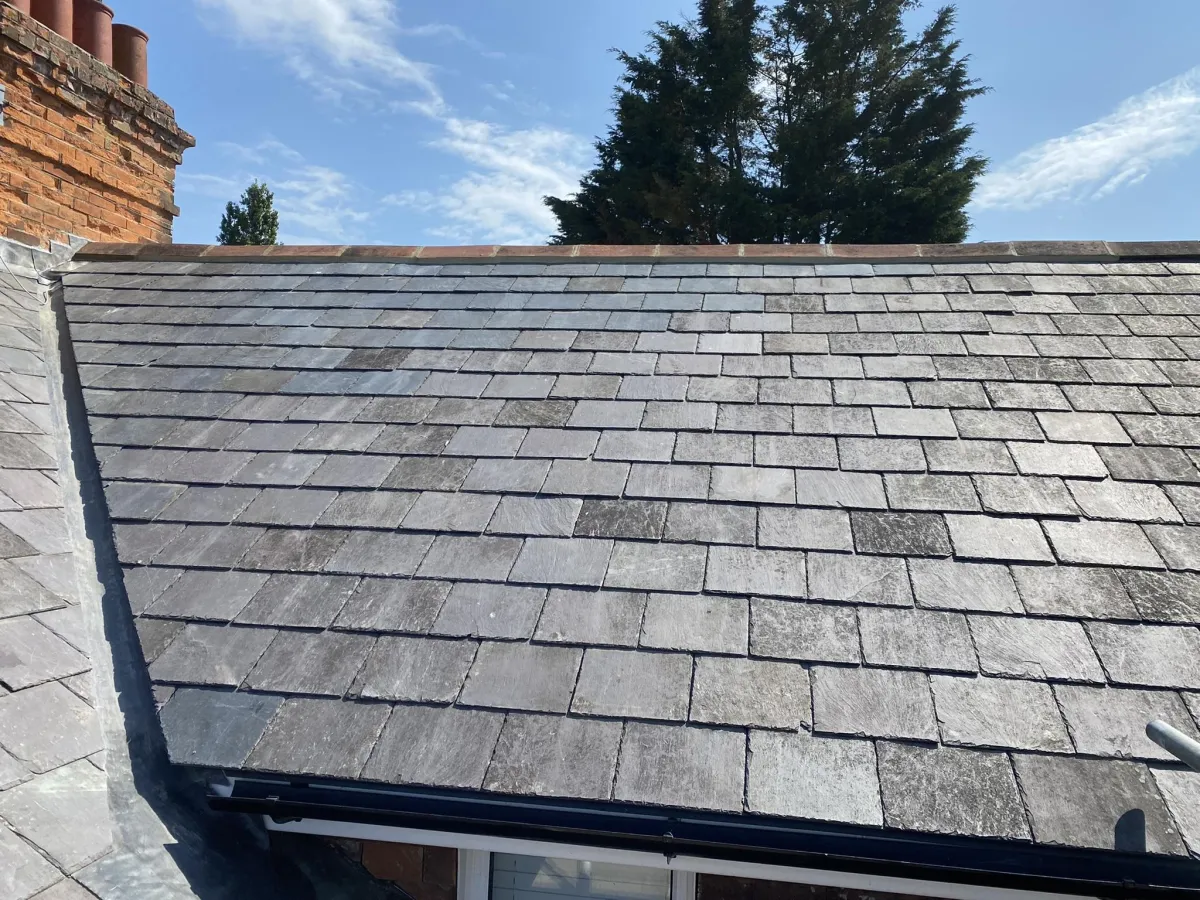
Surveys commonly note the shallow roof pitch and limited loft headroom typical of this era, alongside general roof covering condition. Where the roof covering is original, a note on remaining service life is common, and this should be weighed against the roof's likely age.
Condensation staining in the loft is sometimes flagged where ventilation is inadequate, which is a straightforward remedy compared with structural roof issues.
Damp and insulation notes
General damp meter readings at low level are common on this house type and often relate to poor original insulation and ventilation rather than rising damp in the traditional sense. Surveyors distinguish between the two, but it's worth asking for clarification if the report is ambiguous.
Cold bridging and condensation risk around poorly insulated original windows and solid sections of wall are also frequently noted, particularly where secondary glazing or replacement windows haven't been fitted consistently.
Electrics and services
As with most housing stock of this age, an electrical condition report is routinely recommended where the wiring hasn't been recently certified. Original plumbing runs, particularly where any lead or galvanised pipe remains, are also commonly flagged for eventual replacement.
Common questions
What is a PRC certificate and do I need one?+
It's a certificate confirming a precast reinforced concrete house has been repaired or assessed to a recognised standard, and many lenders require one before offering a mortgage on this construction type. If your survey identifies PRC construction without an existing certificate, this needs resolving before exchange.
Does non-traditional construction affect future extension plans?+
It can restrict the methods available for forming openings or tying in new structure, and building control will want evidence of how new work interfaces with the existing system. It doesn't rule out extending, but it does need factoring into design.
Are damp readings on this house type usually serious?+
Often they relate to poor original insulation and ventilation rather than a structural damp problem, but the survey should clarify which. If in doubt, ask the surveyor directly rather than assuming the worst or the best case.
Get a second opinion before you exchange
We can review the survey findings on site and quote for any works identified, with no obligation.