
Owning a listed building means every significant change to its character, inside or out, sits inside a consent process before it sits inside a construction programme, and the two run on different timescales.
Understanding what that process actually involves — rather than treating it as an obstacle — makes it far easier to plan realistic dates for when work can start.
What needs listed building consent
Consent is generally needed for anything that affects the special architectural or historic character of the building, which covers far more than obvious structural changes — replacing joinery, altering internal layouts, and even some repairs using different materials can require it.
The conservation officer at the local authority is the right first point of contact, and a pre-application conversation before drawings are finalised often saves a rejected or amended application later.
Working without consent is a criminal offence
Unlike planning permission, carrying out unauthorised works to a listed building is a criminal offence, not simply a planning breach, and enforcement can require reinstatement at the owner's cost regardless of intent.
This is why any trade experienced with listed buildings will ask to see consent documentation before starting rather than taking a verbal assurance that it's 'probably fine'.
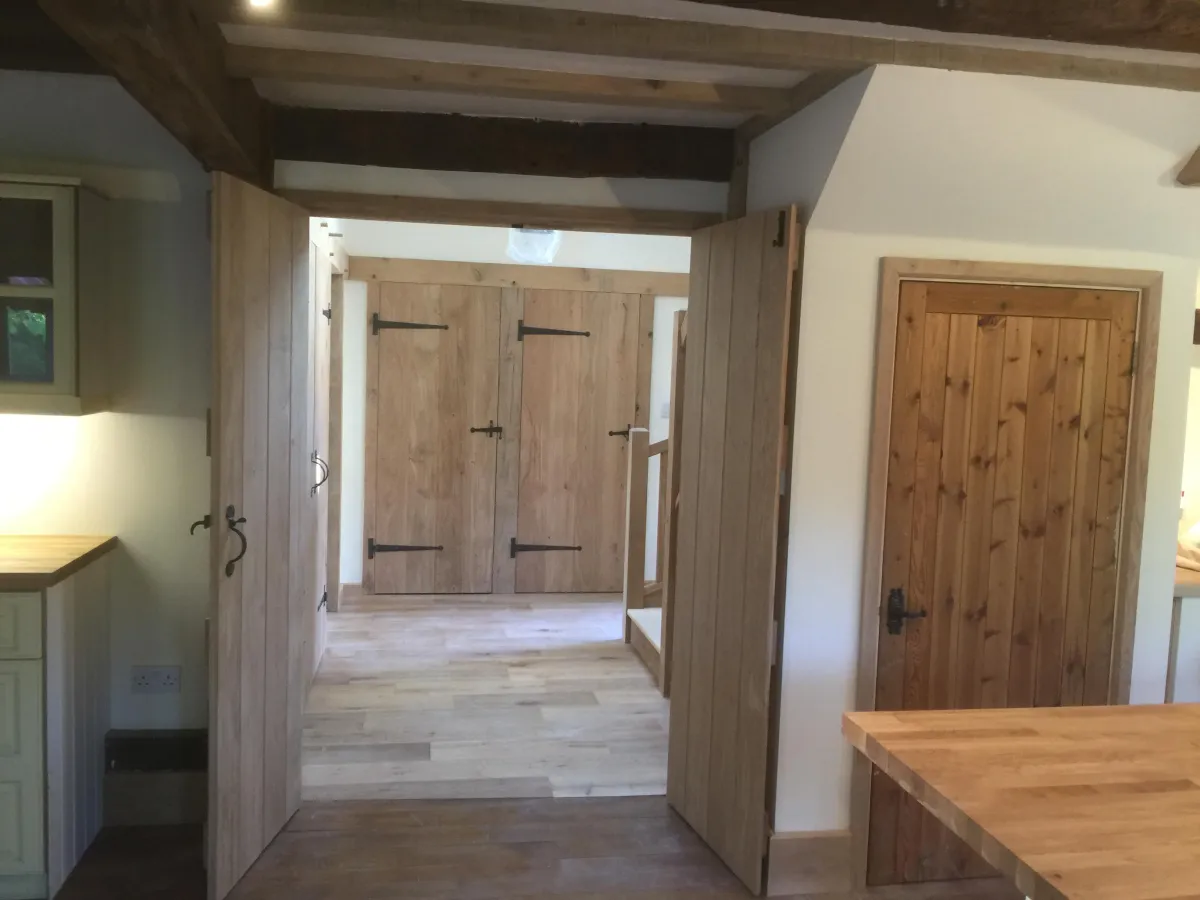
Materials and methods that match the building's history
Conservation officers generally favour repair over replacement and traditional, breathable materials over modern impermeable ones. Specifying these from the outset, rather than proposing a cheaper modern equivalent and hoping it's accepted, speeds up the whole approval process.
- Lime-based plasters and mortars rather than cement
- Timber repair by splicing and consolidation rather than wholesale replacement
- Salvaged or hand-made materials matched to the original where new stock won't match
- Traditional jointing methods on structural timber repairs
Longer lead times, realistically planned
Between pre-application discussion, formal consent, and potentially a period condition attached to approval, the paperwork stage on a listed building project often takes longer than the construction itself. Building this into your overall timeline, rather than treating consent as a quick formality, avoids a frustrating stall partway through.
Some works — genuine like-for-like repair, for instance — may not need consent at all, but getting written confirmation of that from the conservation officer is worth the small delay compared with guessing wrong.
Keeping a record as you go
A clear photographic and written record of what was found, what was repaired, and what materials and methods were used is expected on listed building work and is useful well beyond the immediate project — for future owners, for insurance, and for any subsequent consent application.
Ask your trade to keep this record as standard practice rather than assembling it retrospectively once the work is finished.
Common questions
Does every repair to a listed building need consent?+
Genuine like-for-like repair using matching materials often doesn't, but the line between repair and alteration isn't always obvious, so written confirmation from the conservation officer is worth having before starting.
What happens if work is done without consent?+
Carrying out unauthorised works to a listed building is a criminal offence, and the local authority can require the building to be reinstated at the owner's expense, regardless of the intentions behind the work.
Why does the paperwork stage take so long?+
Pre-application discussion, formal determination and any conditions attached to consent all take time, and this stage often runs longer than the construction work itself on smaller listed building projects.
Get advice before you apply for listed building consent
We can help specify traditional materials and methods that support a smoother consent application.