
Knowing that in advance is the difference between a project that feels controlled and one that feels permanently late.
Before site: design, approvals, procurement
A free site visit and brief, then measured drawings, then whichever consents apply — planning or a lawful development certificate, building regulations, structural design, party wall notices.
Procurement runs alongside. Long-lead items such as windows, steels, kitchens and stone worktops need ordering early, and their lead times often set the earliest sensible start date.
On site: the usual sequence
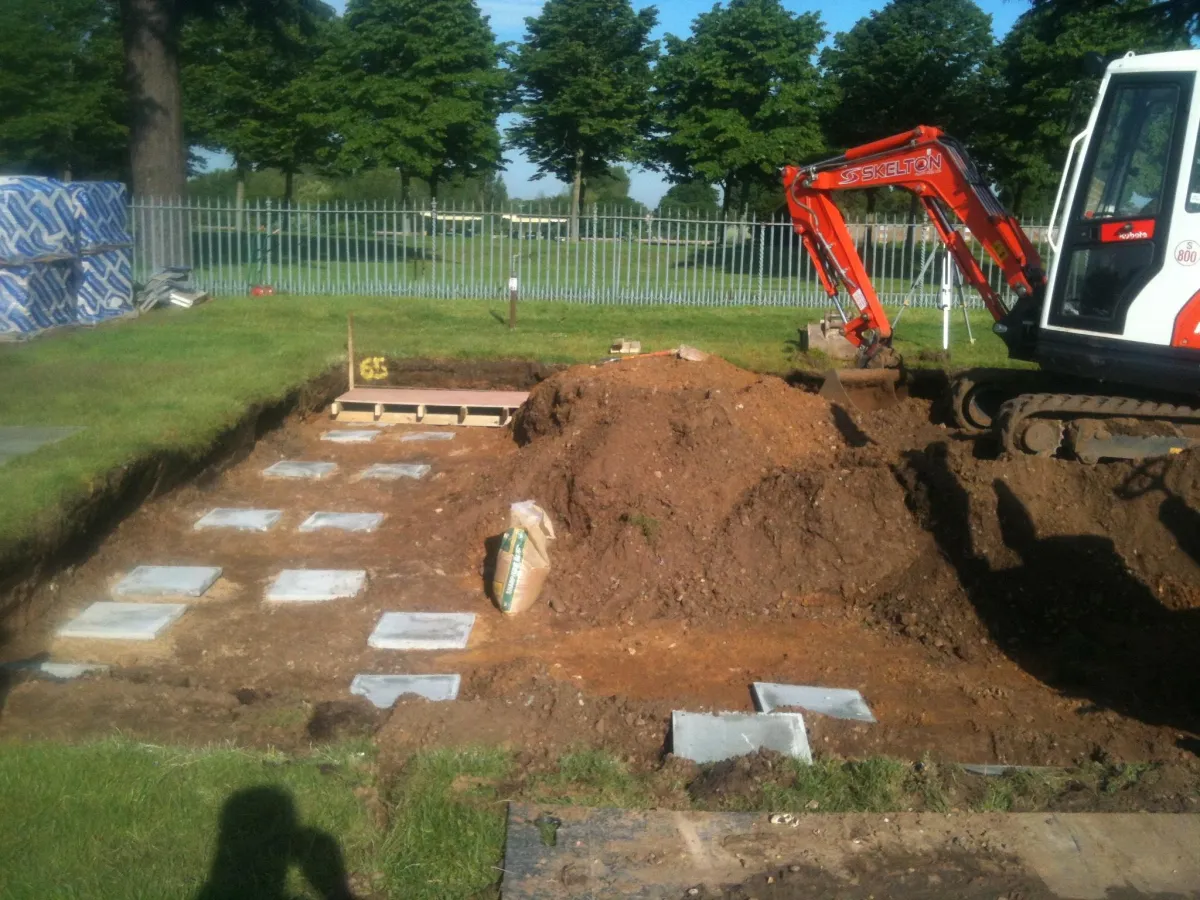
Set up and protection, then groundworks and foundations, structure and roof to get watertight, first fix of electrics and plumbing, insulation and boarding, plastering and drying, second fix, tiling and decoration, then finishes and external works.
Drying time between wet trades is real and cannot be compressed without storing up problems in the finishes.
Where time is usually lost
Late decisions on finishes, changes after work has started, unknowns discovered on opening up, and long-lead items ordered after the start rather than before it.
We front-load decisions and give you a selection deadline for each item, because a choice made in week two is free and the same choice in week eight is a variation.
Common questions
How long does an extension take?
The site period is typically a few months depending on size, but the design, approvals and procurement stages before it often take as long again.
Can work be done faster?
Some, by ordering early and fixing decisions up front. Drying times and inspection stages cannot be compressed safely.
What causes most delays?
Late client decisions, mid-project changes, long-lead items ordered too late, and unknowns uncovered when opening up.
Will I get a programme?
Yes, with key stages and the dates by which decisions and selections are needed from you.