
Edwardian villas were built with a level of decorative detail — cornicing, ceiling roses, picture rails and deep skirting — that's expensive to replicate today, which makes preserving what survives a genuine priority rather than a nostalgic one. A sensible renovation works services and insulation around that detail rather than through it wherever possible.
Because the era straddles solid-wall and early cavity-wall construction, the correct renovation approach — particularly around damp management and insulation — depends on establishing which type of wall the house actually has before any scope is fixed.
What's usually worth keeping
Original cornicing, ceiling roses, picture rails and panelled doors on an Edwardian villa are frequently intact or repairable, and matching this level of detail with modern reproduction mouldings is possible but costly, so retaining and restoring existing work is usually the better value option. Cast iron fireplaces and surrounds, where present, are also generally worth keeping even if the fire itself is capped off.
Staircases from this period, often with turned balusters and a decent handrail profile, are usually structurally sound and worth restoring rather than replacing, though older stringers and treads should be checked for wear at pinch points before committing to a full refinish.
What fails first in this construction
Slate roofs of this period commonly show nail fatigue before the slates themselves fail, meaning slipped or missing slates are often a fixing problem rather than a material one — worth confirming before assuming a full re-roof is needed. Original sash windows, if unmaintained for decades, typically fail first at the bottom rail and cill where standing water collects, well before the glazing or upper sash shows any problem.
Where the villa has solid walls, rising damp and penetrating damp are common findings, but a surprising number of cases trace back to a failed damp-proof course being bridged by an external ground level that's been raised over the years, or to cement render trapping moisture that lime render would have let escape.
Services within generous proportions
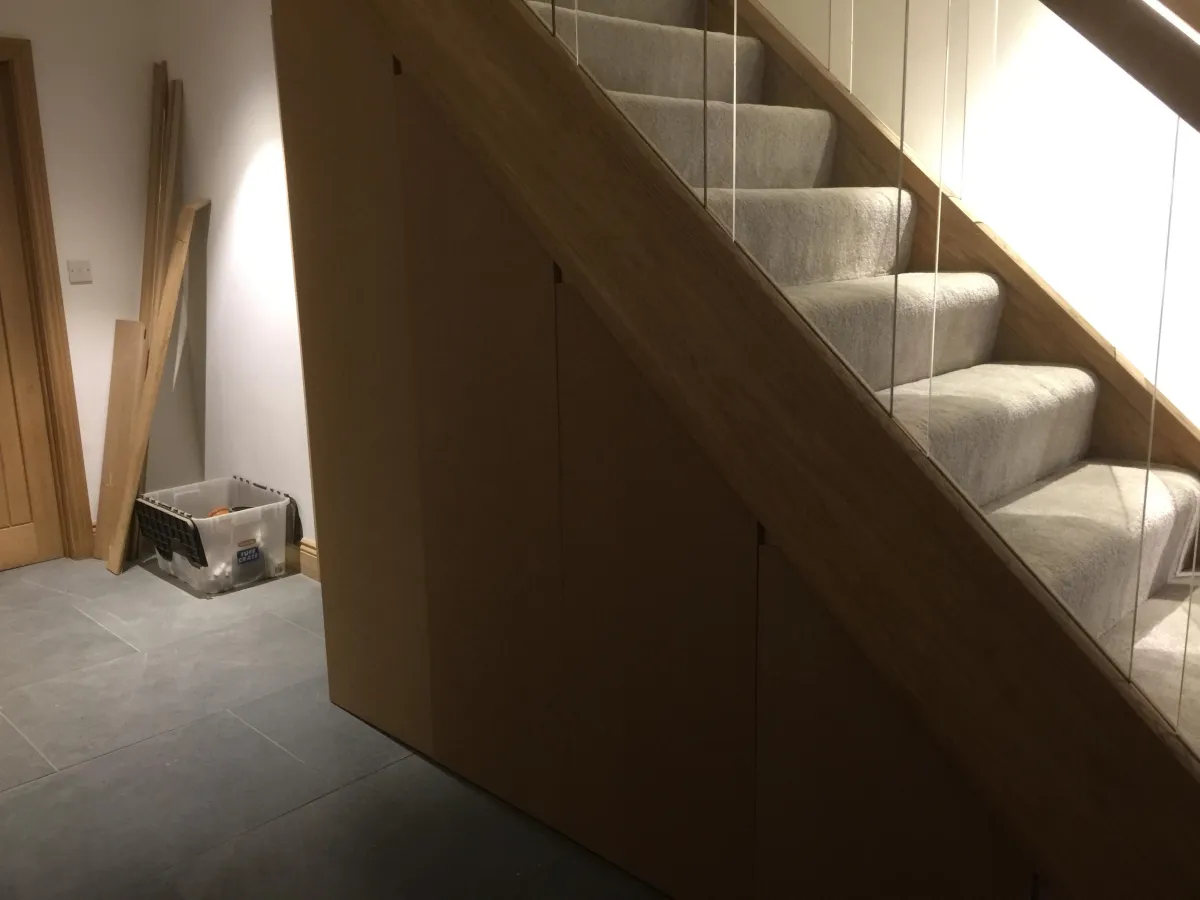
Wide hallways and generous room sizes on a villa give more room to route new services discreetly than a narrower, later house type would — a new consumer unit or manifold can often be sited in an understair void or hall cupboard without disrupting the principal rooms. Tall ceilings also allow for services to be run in a shallow bulkhead at cornice height with minimal visual impact, provided it's designed around the existing coving rather than cut straight through it.
Old lead or galvanised steel plumbing surviving from the original build, along with early rewiring from mid-century upgrades, should be assumed to need full replacement rather than partial repair, and a qualified electrician and plumbing engineer should assess both before other renovation work proceeds.
Insulation without losing the detail
On a solid-walled villa, internal wall insulation is the more common route since external insulation would obscure brickwork, window reveals and any decorative detailing on the facade — but internal insulation reduces room sizes slightly and needs careful detailing around existing cornicing so it isn't damaged or lost in the process.
The roof void on most villas is generous and straightforward to insulate to current depths at ceiling level if it isn't being converted, making it one of the more cost-effective upgrades available, while a loft conversion changes that calculation entirely by moving insulation to the rafters instead.
Common questions
Is it worth restoring the original sash windows rather than replacing them?+
In most cases yes — sash windows are generally repairable unless the frames have suffered severe rot, and repair keeps the proportions and glazing bars that contribute significantly to a villa's character. Draught-proofing and secondary glazing can then address performance without losing the originals.
Should I remove cement render if the walls are solid brick?+
Often yes where damp problems trace back to it — cement render on a solid wall traps moisture that would otherwise evaporate, and replacing it with a breathable lime render is usually part of resolving a persistent damp issue properly.
Can I insulate internally without losing my cornicing?+
Yes, with careful detailing — insulation is typically stopped short of the ceiling junction or the cornice is removed, insulation fitted, and the cornice reinstated or a new run cast to match, rather than simply insulated over and lost.
Book a free villa renovation survey
We'll assess wall construction, services and original detail together and set out a written order of works.